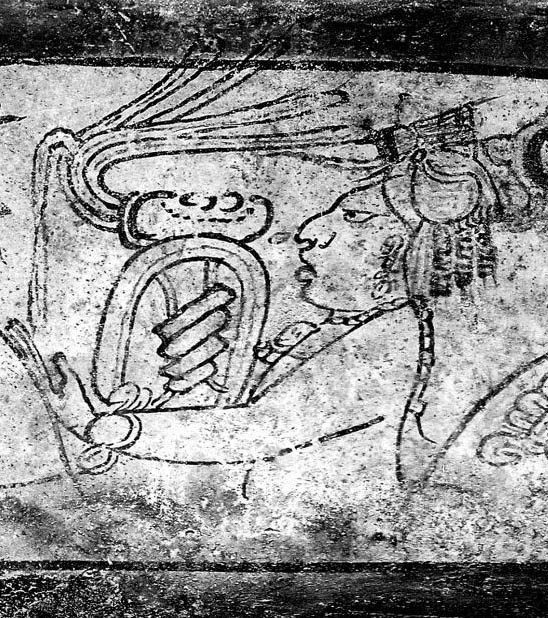
Check out my new article, written with Ivan Maric of Dumbarton Oaks, about the archaeology of money!
Check out my new article, written with Ivan Maric of Dumbarton Oaks, about the archaeology of money!
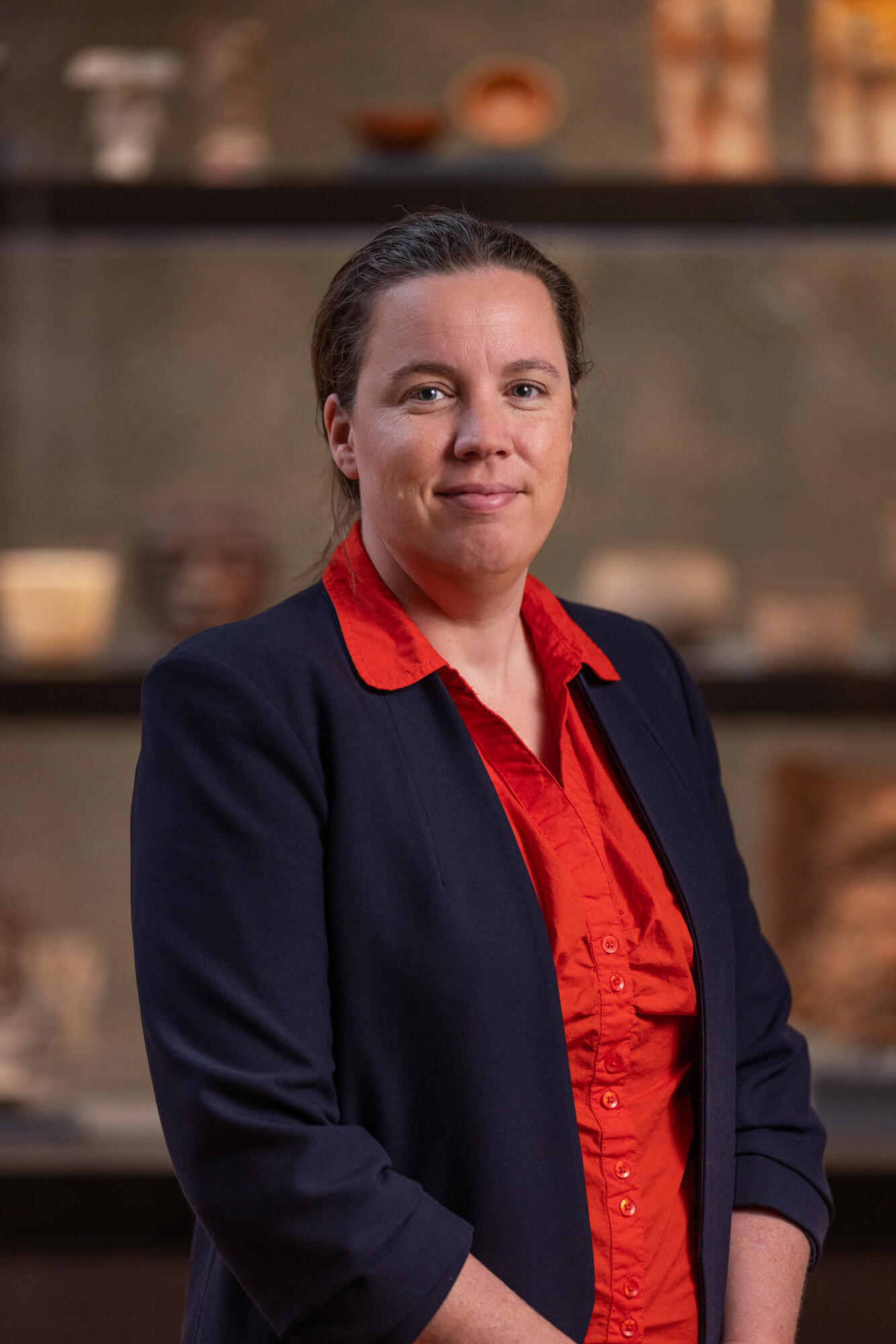
Hi friends! I am so pleased to announce my big news: I recently started as the new Peter Jay Sharp, Class of 1952, Curator and Lecturer in the Art of the Ancient Americas at the Princeton University Art Museum. The museum has been closed for five years for the construction of a beautiful new building. I hope you will come see it after it opens on Halloween! Check out some press about the new museum and about me.

Charles S. Peirce: an American philosopher fixated on the number three, or the best thing to happen to archaeological theory? You decide. Check out my new article in Annual Review of Anthropology: “Peirce and Archaeology: Recent Approaches.”
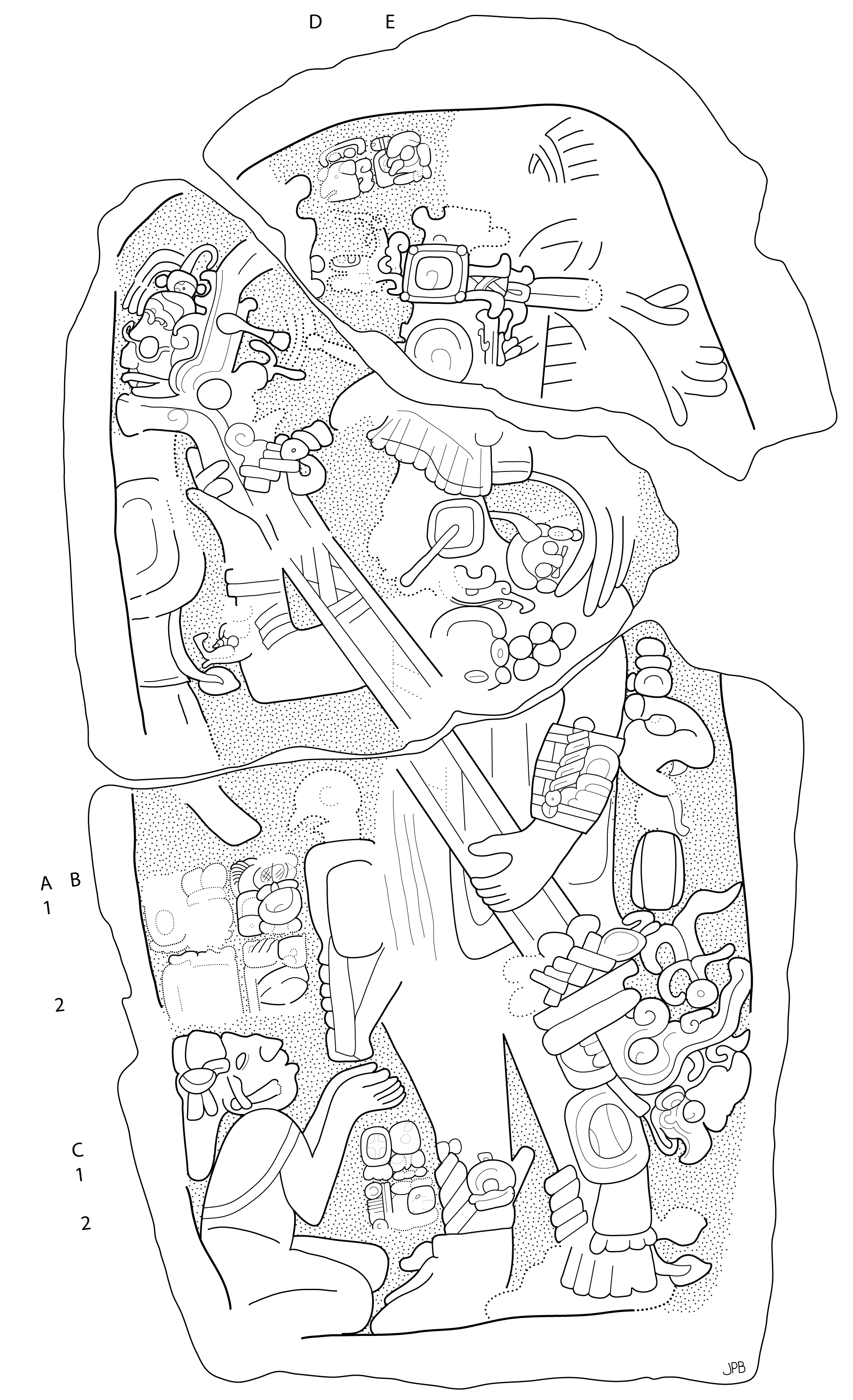
Among the countless losses that the world faces during the COVID-19 Pandemic is the loss of archaeological research, as many projects have been put on hold to wait for safer conditions. La Florida is one of those projects, and we hope that we will be able to resume our work in 2022. In the meantime, I have been working remotely on the monuments of La Florida, using the photographs of various scholars, and collaborating with Mads Jorgensen and Guido Krempel. We have submitted an article for publication about Stela 1, but while we wait for the reviews to come back, here is my new drawing of the stela. Thanks to Mads’s observation, we believe it names Chakjal Chaahk, a Namaan ruler otherwise known from ceramic texts. I hope to have some new drawings done this summer of other monuments, working off new photos taken by Bruce Love in 2019.
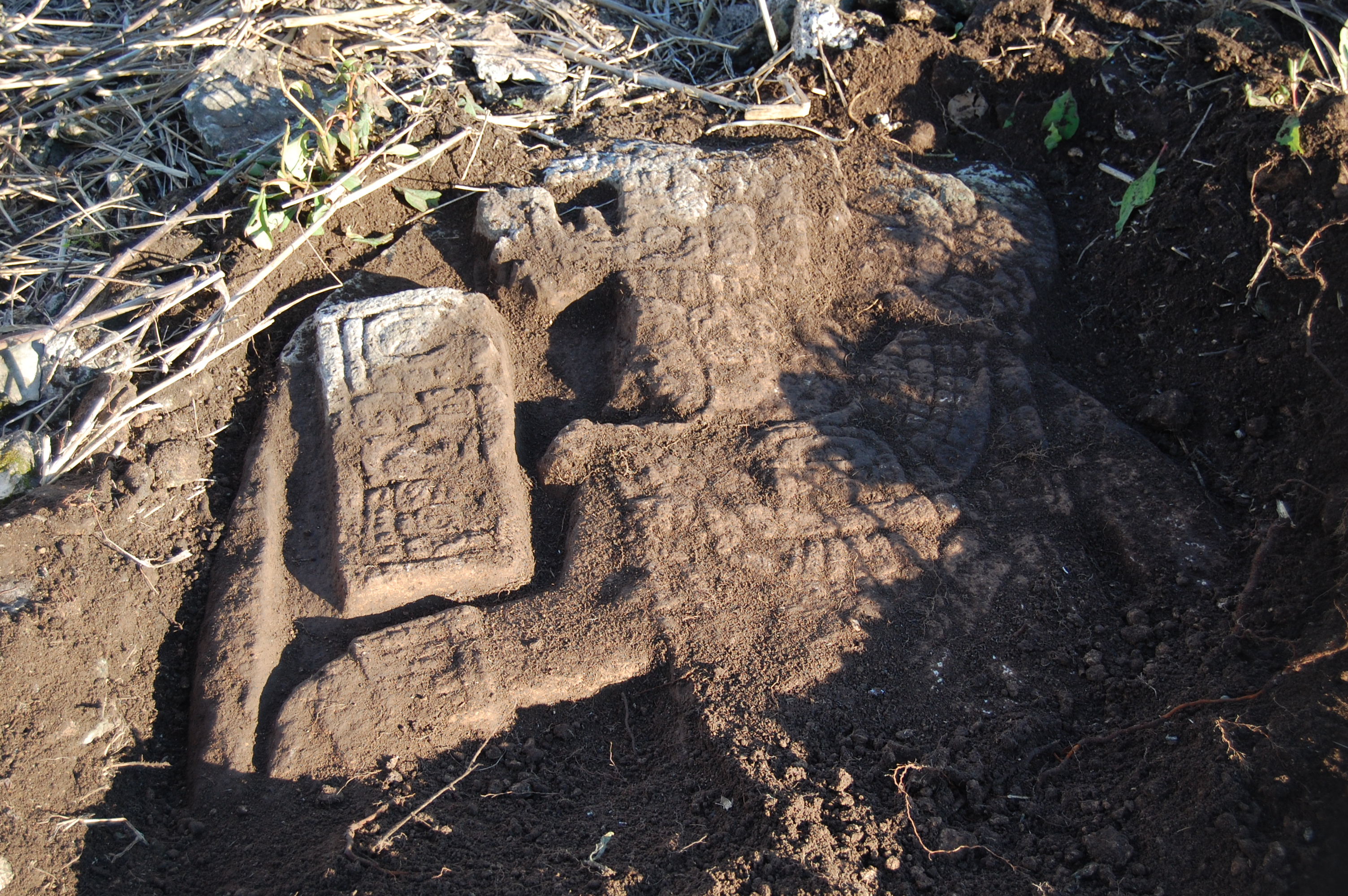
During the 2016 season of the La Florida-Namaan Archaeology Project in October, we made the unexpected discovery of a new carved monument, La Florida Stela 16. Dating to 785 A.D., this is the latest carved monument known at the site. It depicts a royal woman in the act of scattering incense for the 9.17.15.0.0 period ending. While no name for the woman is provided, the stela bears a striking resemblance to Stela 9, first documented by Edwin Shook in 1943. While it is possible that the two stelae represent the same woman, she would probably be in her 90s by 785, according to other historical information at the site. Is this an old queen or a new one? Perhaps future discoveries will reveal the answer. Read more at floridanaranjo.net/data.
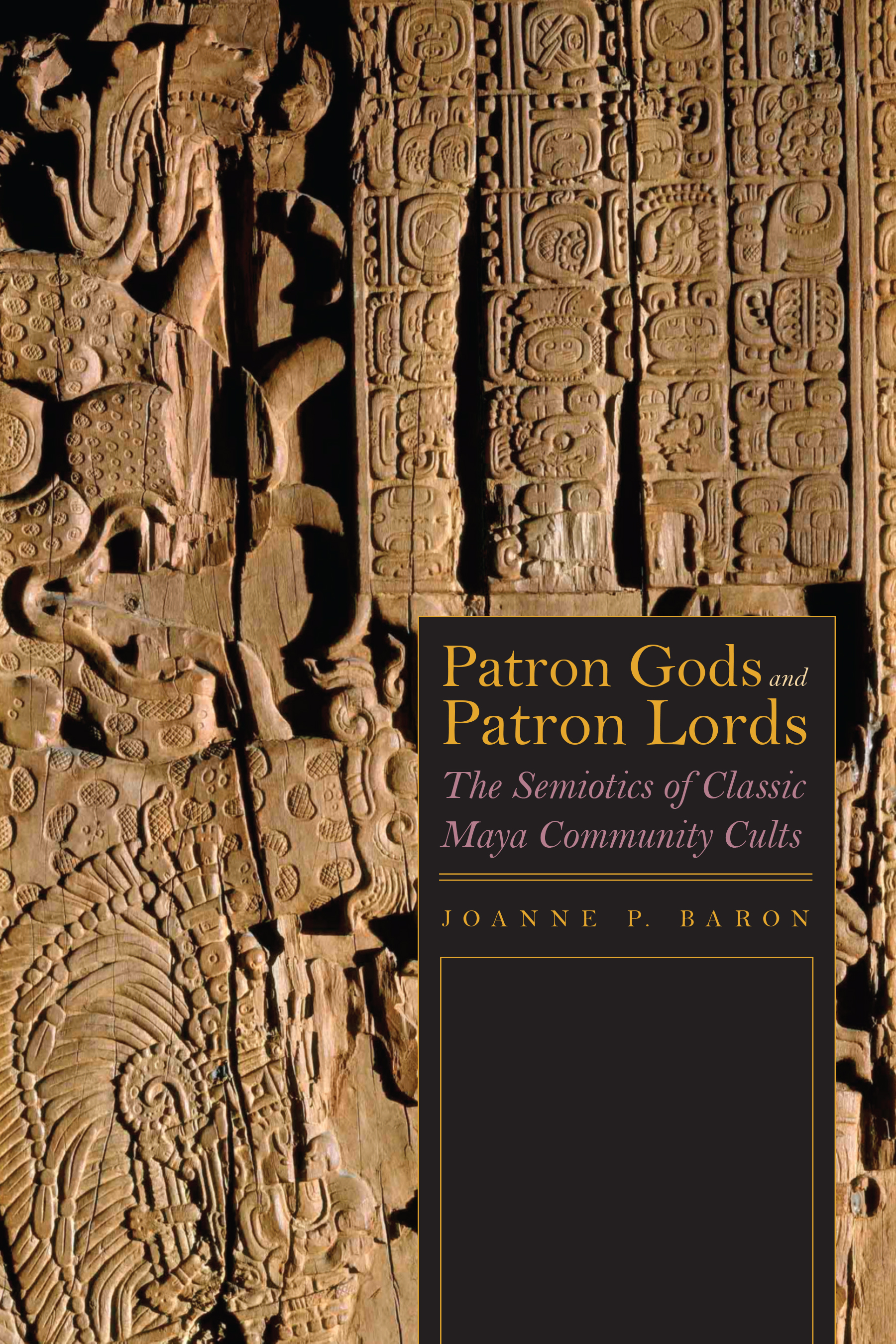
My new book, Patron Gods and Patron Lords, is now in print! Want to know more about Classic Maya gods? The complex network of Maya political relationships? Peircian semiotic theory and its archaeological applications? This book has it all. Many thanks to the University Press of Colorado for seeing it through to publication. Order it here.
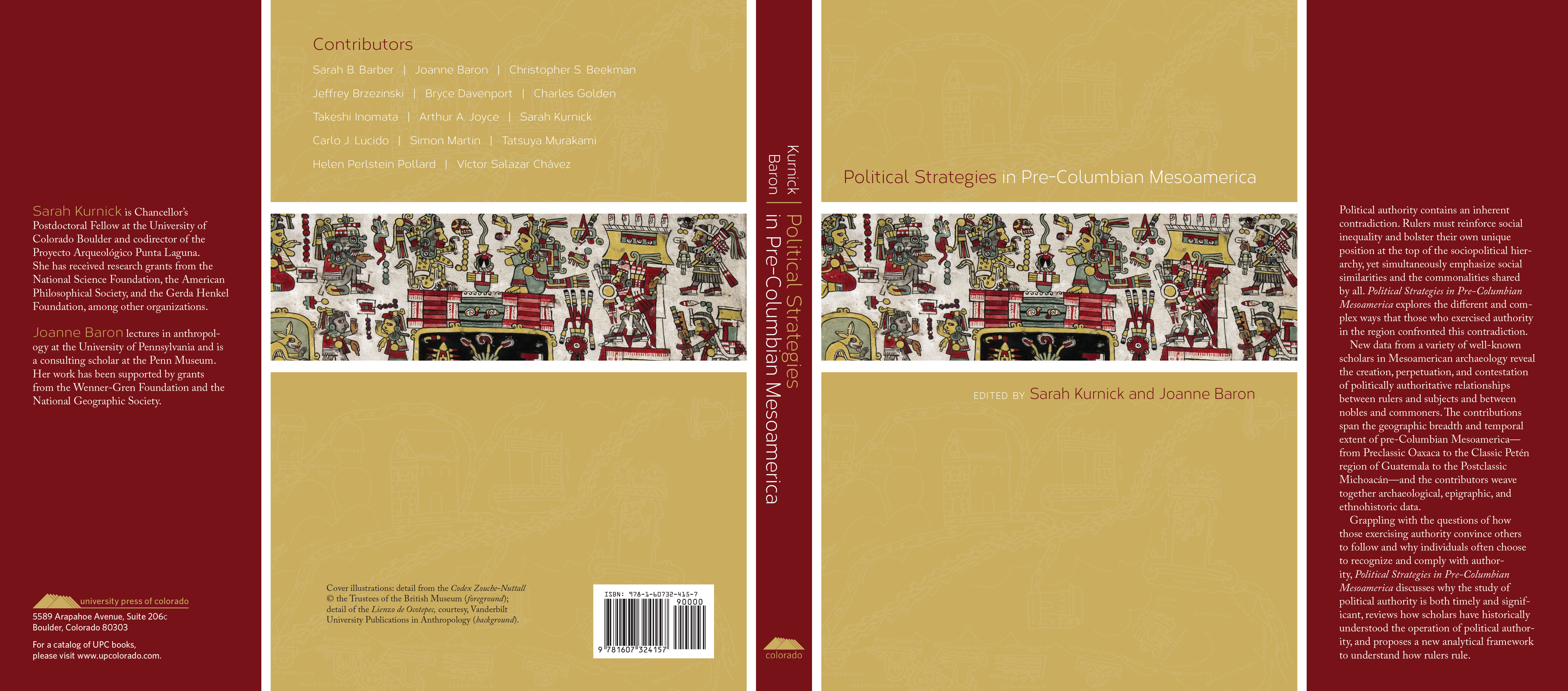 It’s here! After years of hard work, Political Strategies in Pre-Columbian Mesoamerica is in print. With contributions from leading scholars in the field, this volume explores how leaders from the Formative to the Postclassic negotiated the challenges and contradictions of political authority. Sarah Kurnick and I are proud to have examples from all over Mesoamerica in our first edited volume. Thanks to everyone at the University Press of Colorado for making this book happen. Order it here.
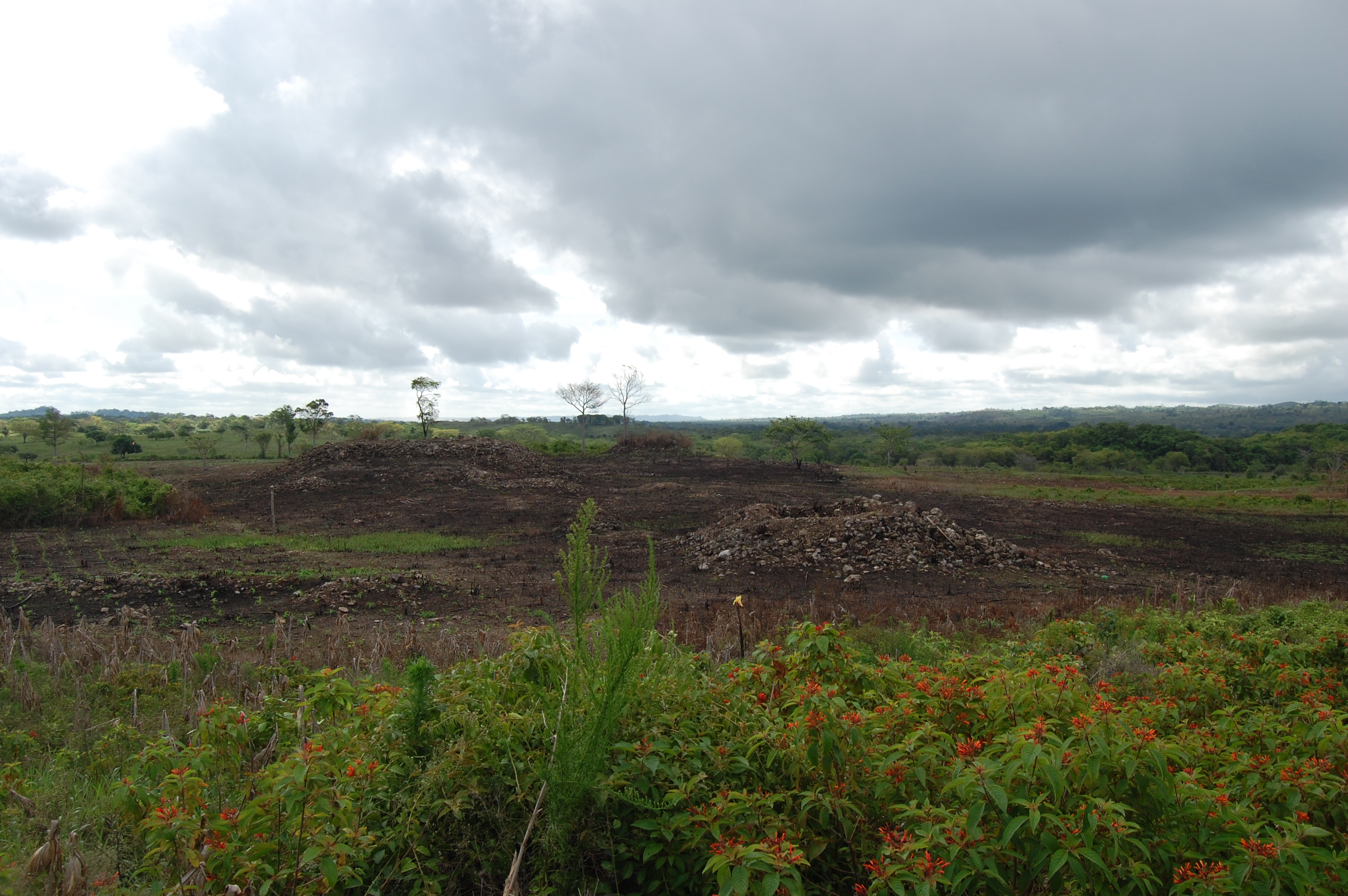
In May I visited Guatemala, where I explored the ruins of La Florida, located in the modern town of El Naranjo Frontera. My colleague, Liliana Padilla, and I plan to start a program of long-term excavations there in the near future. Read more on my “projects” page.
In the revered tradition of the Penn Maya Weekend, this year the University Museum will be hosting a one-day Maya symposium on Saturday, March 15.
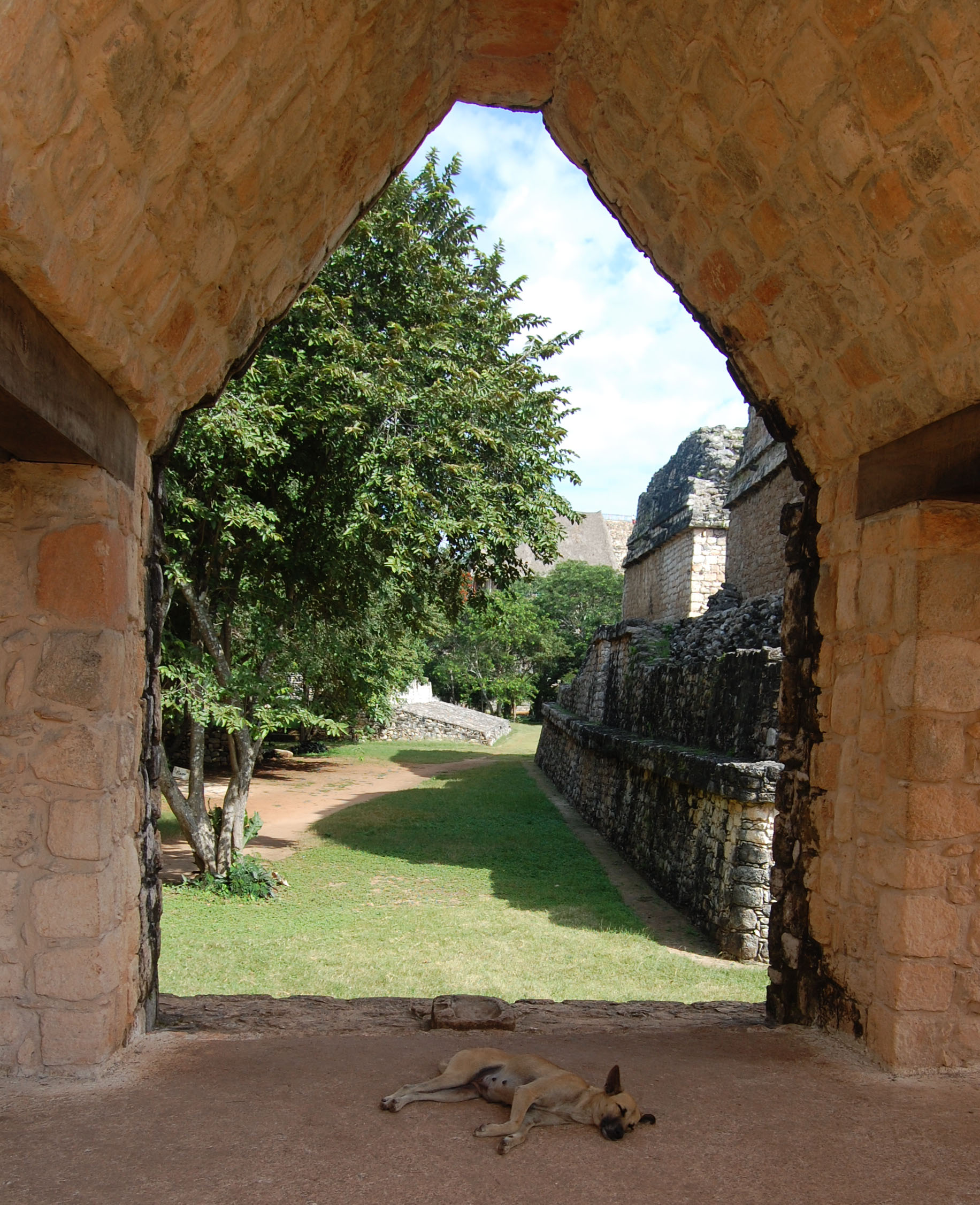
Speakers will include Penn-affiliated researchers and some out-of-town guests including Franco Rossi, Frauke Sachse, and Oswaldo Chinchilla. You can find out more here.
For my first real post, I’d like to make a plug for this year’s Tulane Maya Symposium, to be held March 20-23. The theme is “On the Maya Trail: Ancient Travelers, Epic Voyages.” There are some great speakers lined up, including the keynote, Dr. Karl Taube. Be sure to check out my workshop on Maya patron deities Sunday afternoon! Go to http://mari.tulane.edu/TMS/ for more information.

 Joanne P. Baron, Ph.D.